Air, Sea, or Road Freight in the Middle East – How to Choose the Right Mode
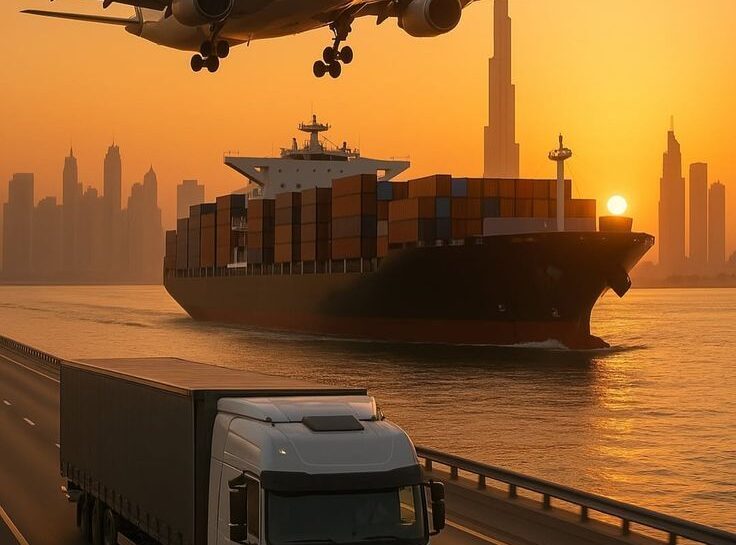
Importers and exporters across the Middle East operate within one of the world’s most strategically connected regions. With strong links to Asia, Europe, and Africa, choosing the right freight mode is a critical step in supply chain planning. Air, sea, and road freight each offer unique advantages, and the best option depends on shipment characteristics, urgency, budget, and destination.
Air freight is the fastest method for international transport. It is commonly used for high-value, time-sensitive, or perishable goods that cannot tolerate long transit times. Spare parts, pharmaceuticals, electronics, and urgent e-commerce shipments often move by air. The key strengths of air freight include reliability, reduced exposure to handling risks, and the ability to move goods across continents in a matter of hours. However, it remains the most expensive option and comes with strict limitations on dimensions, hazardous materials, and weight.
Sea freight is the most economical way to move large or heavy cargo. It is the backbone of international trade and the standard choice for full-container and high-volume shipments. Businesses that ship construction materials, machinery, retail inventory, or bulk goods often rely on ocean freight to manage costs effectively. While sea freight offers excellent capacity and lower emissions per ton-kilometer compared to air transport, it also comes with longer transit times and the possibility of port congestion or schedule changes.
Road freight plays a central role in regional distribution. It provides true door-to-door service, flexible routing, and fast deliveries across neighbouring countries. In the Middle East, road transport is widely used for cross-border movements between the GCC states and for connecting ports to inland warehouses. Road freight is ideal for short and medium distances or when the cargo needs to reach multiple delivery points quickly. Its main limitations include capacity constraints for very large shipments and potential delays at borders.
When choosing between the three modes, several factors should be evaluated. Time sensitivity is the primary driver: urgent cargo fits air freight, while flexible timelines align better with sea or road transport. Shipment characteristics matter as well; high-value items favour air, whereas dense or bulky cargo is more economical by sea. The origin and final delivery point also influence the decision, as road may outperform sea for regional movements without requiring transhipment.
The most effective approach is often a balanced one. Many companies move core inventory by sea and use air for replenishment or critical orders. Others combine sea freight with road distribution to reduce costs while maintaining reasonable lead times. Working with a logistics partner that offers all three modes enables businesses to compare options objectively and choose a route that supports financial goals, customer service commitments, and operational continuity.